
What If AI Stops Working?
Are We Becoming Too Dependent on AI Tools?
Imagine waking up tomorrow, opening your laptop, and none of your AI tools work — ChatGPT, Canva AI, your automated marketing scripts, even your AI-powered research assistant. Panic sets in. Your workflow is stalled, deadlines loom, and suddenly all the time you spent relying on AI feels like it’s vanished.
It’s a scary thought, but it’s also an important one: as AI becomes increasingly integrated into our work, studies, and creative processes, are we putting too many eggs in one digital basket?
Let’s break it down.
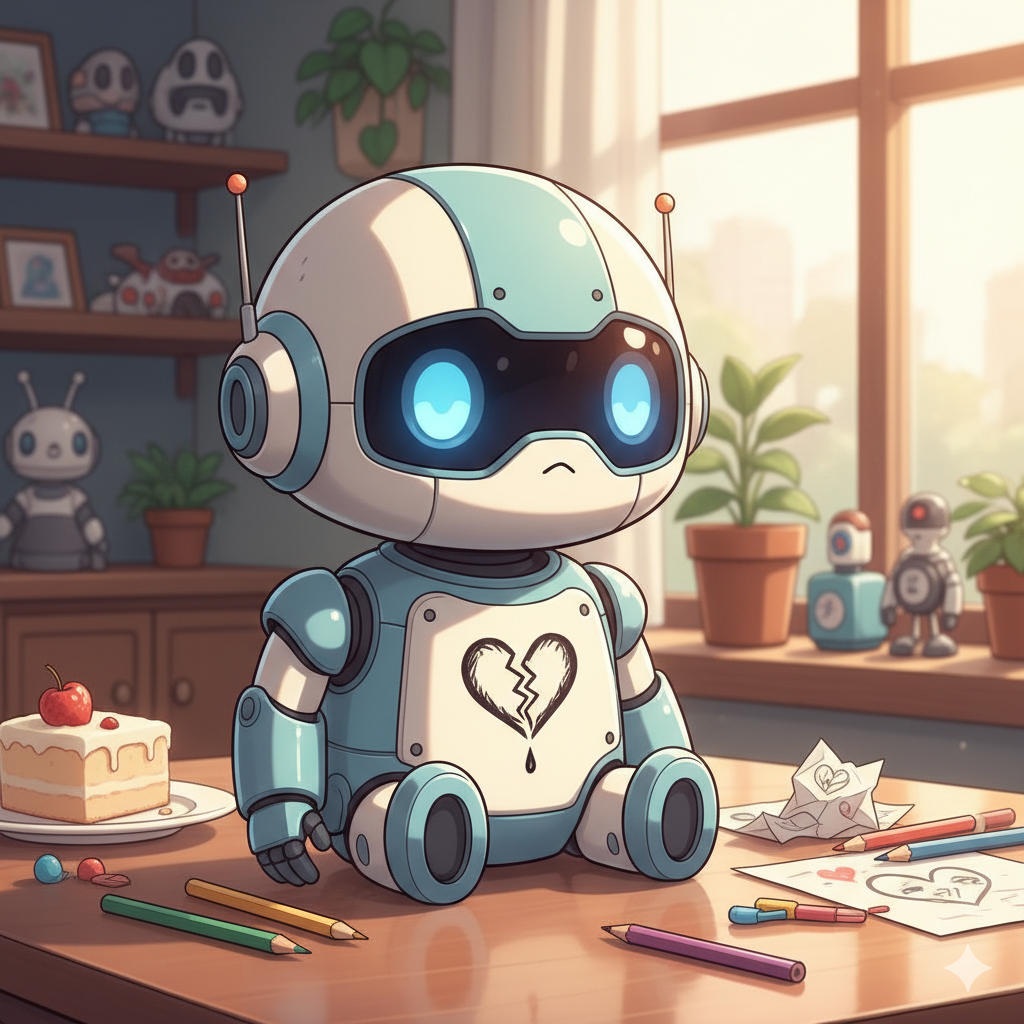
AI as Our Productivity Superpower
There’s no denying it: AI has transformed the way we live and work.
Tasks that used to take hours or days – writing a blog post, designing graphics, generating sales reports, even coding basic scripts can now be done in minutes.
Take content creation for example.
Before AI, drafting a blog post meant hours of research, organizing notes, writing, and editing. Now, in about 30 minutes, you can have a solid draft ready, complete with references and formatting suggestions.
AI doesn’t just save time; it also levels the playing field. Someone without a design background can create professional-looking graphics. A small business owner can automate marketing campaigns without hiring a full team. A student can quickly organize research into a coherent essay outline. The speed, efficiency, and accessibility are undeniably tempting.

The Risk of Over-Dependence
But here’s the catch: relying too heavily on AI can dull human skills.
Critical thinking: If students lean on AI to generate essays, they may miss the opportunity to develop strong argumentation and reasoning skills.
Creativity: Businesses that use AI for every piece of creative content risk producing work that lacks originality or emotional resonance.
Problem-solving: If AI always offers the “correct” solution, we stop challenging ourselves to think independently.
Even more practically, what happens if AI stops working temporarily? A small business that depends entirely on automated social media scheduling may see engagement drop overnight. An online store relying on AI-generated product descriptions might be forced to halt operations.

What Happens When AI Fails?
AI tools, like any technology, aren’t perfect. They can suffer outages, bugs, subscription issues, or even regulatory restrictions in certain countries. If you’re fully dependent on a single platform, even a few hours of downtime can cause significant disruption.
For instance:
- Imagine your AI-driven marketing system fails the week before a product launch. Without a manual backup plan, your emails won’t send, ad campaigns won’t run, and social media content will go dark.
- Or, a designer who relies solely on AI for client work may find themselves scrambling if the tool crashes mid-project.
The question then becomes: are we building resilience alongside efficiency, or just convenience?
Why a Complete AI Shutdown is Unlikely
Here’s the reassuring part: while temporary outages can happen, a total, global AI shutdown is extremely unlikely.
- Decentralized infrastructure: AI platforms run on cloud networks distributed across multiple servers worldwide. If one server fails, another takes over.
- Competition and redundancy: Multiple AI tools exist for every niche — from text generation to image creation to marketing automation. Businesses rarely rely on a single provider.
- Continuous development: Tech companies are aware of the risks and constantly work on security, backup systems, and fail-safes. AI isn’t a fad; it’s deeply integrated into enterprise systems and continues to evolve.
- Human oversight: Most AI adoption includes human supervision. Critical decisions, sensitive data handling, and high-stakes projects still involve humans double-checking outputs.
- History shows that even advanced AI systems can experience glitches. For example, in 2025, Replit’s AI accidentally deleted an entire production database — luckily, recent backups allowed the data to be restored.
Similarly, the AI-171 system crash disrupted global logistics due to insufficient fail-safes. These incidents highlight the importance of having backup strategies in place when relying on AI.
In short, while temporary hiccups can happen, the AI ecosystem is robust and designed to prevent catastrophic failures.
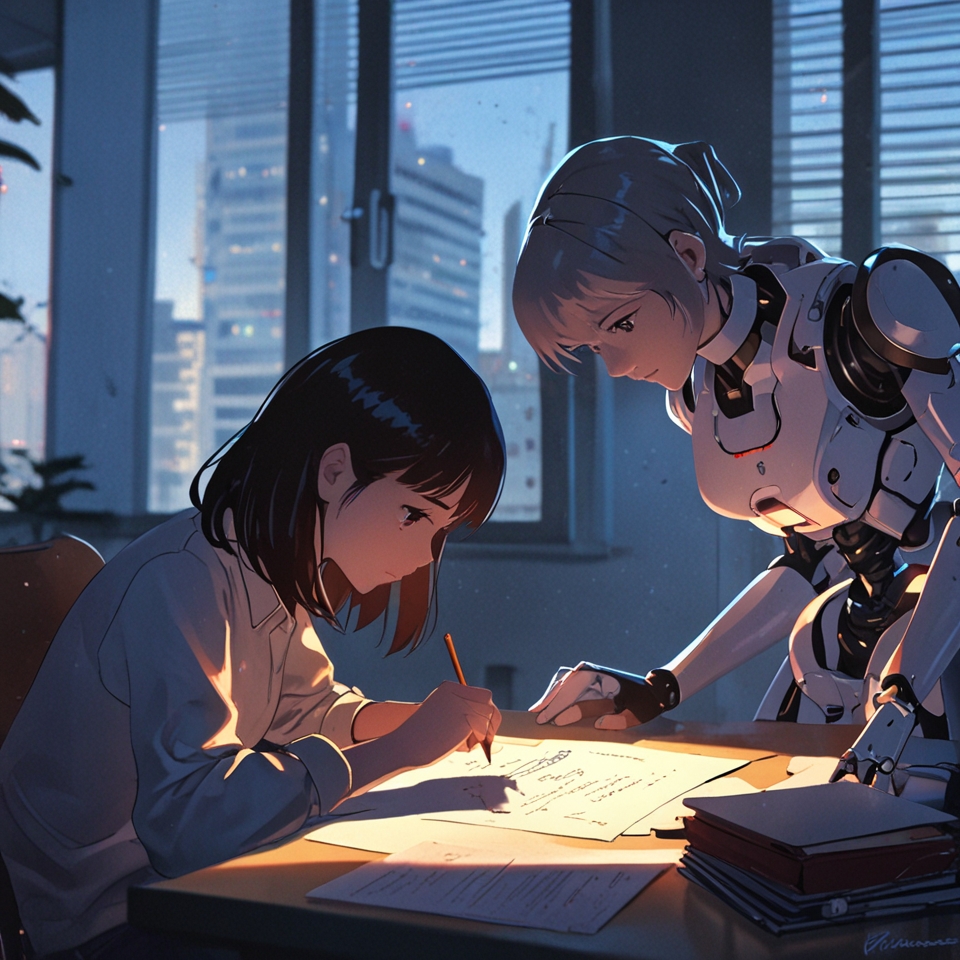
Balancing AI With Human Skill
Even if a full shutdown is unlikely, the lesson remains: don’t outsource your brain entirely. AI should complement your skills, not replace them.
Here’s how to stay resilient:
- Learn the principles behind your tools: Don’t just click “generate.” Understand why AI is making certain recommendations.
- Maintain critical skills: Keep writing, designing, coding, and problem-solving abilities sharp. Always look to improve the suggestion given by the AI.
- Diversify tools: Have backups or alternative methods in case one AI fails.
- Document manual processes: Know how to do tasks manually if needed.
Think of AI as a co-pilot. It makes you faster, more efficient, and allows you to focus on higher-level tasks. But you still need to know how to fly the plane.
Summary:
The Benefits of AI Done Right
When used responsibly, AI offers massive advantages:
- Speed and productivity: Tasks that once took hours can be done in minutes.
- Cost efficiency: Automating repetitive processes reduces labor costs.
- Scalability: Small teams can handle work that previously required large teams.
- Innovation: AI can generate ideas, suggest improvements, and highlight opportunities humans might miss.
AI doesn’t replace human judgment; it enhances it. Businesses that embrace this mindset are not cheating — they are simply leveraging technology smartly.
Where Dependency Can Become Risky
The danger isn’t AI itself; it’s complacency. Over-reliance can:
- Reduce critical thinking and decision-making skills.
- Create bottlenecks/Backups for when AI fails.
- Cause skill degradation over time if humans stop practicing their craft.
The solution? Treat AI as a supplement — not a replacement. Combine AI efficiency with your judgment, creativity, and intuition.

Conclusion: AI is a Tool, not a Replacement
AI isn’t going anywhere. Businesses, creators, and individuals who learn to use it wisely will thrive. Those who lean on it blindly risk gaps in skill and resilience.
A temporary AI outage may slow you down, but your knowledge, creativity, and critical thinking will keep you moving forward. The real power of AI lies in augmenting human potential, not replacing it.
So, are we becoming too dependent on AI? Maybe. But by building our skills alongside AI, staying adaptable, and having backup plans, we turn dependency into strength — a co-pilot that helps us reach new heights.
Want to explore the best AI tools for your business or personal projects? Check out AI Stack, a curated directory of AI solutions organized by business operations — from marketing and design to research and automation. Start working smarter, not just harder.
Leave a Reply