
SEO Masters Toolkit 2026: Rank Higher on Google with Proven SEO and Content Tools
Introduction
SEO in 2026 is no longer just about keywords and backlinks.
Search engines now blend classic rankings with AI overviews, entity understanding, and user intent signals, which means you need smarter tools to stay visible and competitive.
Whether you’re a solo creator, agency, or growing startup, the right toolkit lets you see what’s working, fix what’s broken, and publish content that both humans and algorithms trust.
The SEO Masters Toolkit 2026 is your practical ai stack for researching keywords, optimizing content, fixing technical issues, and tracking performance so you can rank higher, attract the right visitors, and convert them into customers.
Step by Step SEO Checklist
1. Semrush – Your All‑In‑One SEO Command Center
Semrush
Semrush remains one of the most complete SEO platforms, covering keyword research, rank tracking, technical audits, backlink analysis, and competitive research in one place.
Why it belongs in your toolkit:
- Find high‑intent keywords with tools like Keyword Magic and topic research.
- Monitor rankings across devices, locations, and SERP features (snippets, “People Also Ask,” etc.).
- Run site audits that flag crawl issues, slow pages, and missing metadata.
- Analyze competitors’ top pages, traffic sources, and link profiles so you can reverse‑engineer what’s working for them.
Semrush is ideal as your central dashboard for SEO, especially if you’re managing multiple sites or channels.
→ Use Semrush as your primary control room to see everything that affects your visibility in one view.
2. Ahrefs – Backlinks, Content Gaps, and Competitive Intelligence
Ahrefs
Ahrefs is still the go‑to tool for understanding why your competitors outrank you and where new opportunities lie.
What Ahrefs does best:
- Shows which pages drive the most organic traffic for any domain.
- Maps backlink profiles so you can find realistic outreach and partnership targets.
- Runs “content gap” reports to see keywords competitors rank for that you don’t yet cover.
- Estimates search traffic and difficulty to help pick winnable topics.
If Semrush is your command center, Ahrefs is your competitive radar, helping you decide where to attack and where to defend.
→ Use Ahrefs when you want to understand exactly why others are winning and how to close the gap.
3. Google Search Console – Your Direct Line to Google
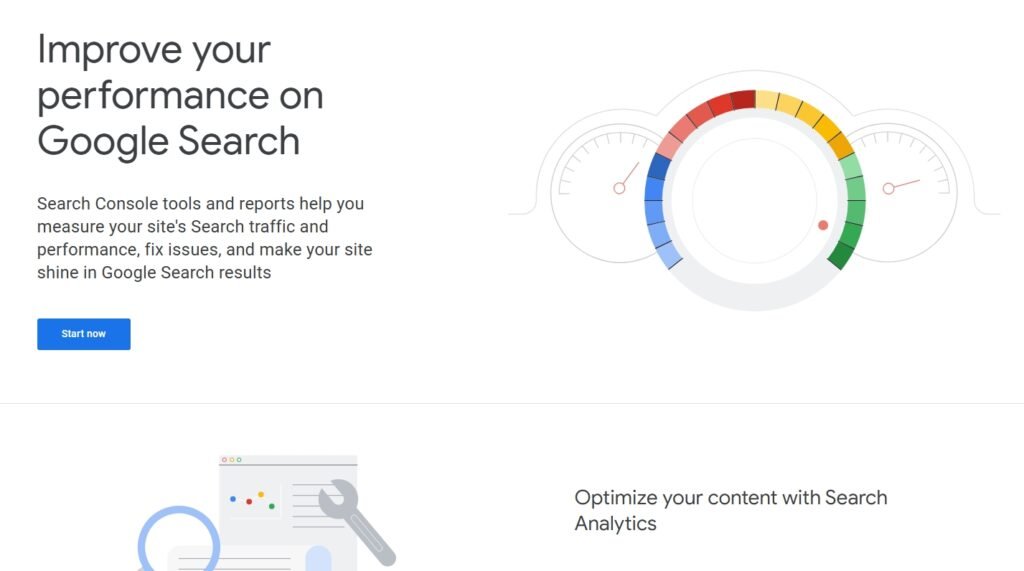
Google Search Console (GSC) is free data straight from Google about how your site performs in search.
Why GSC is non‑negotiable:
- Shows queries that trigger your pages, along with impressions, clicks, and CTR.
- Highlights pages that get many impressions but few clicksperfect for title and meta improvements.
- Flags indexation issues, coverage errors, and core web vitals problems.
- Lets you submit sitemaps and request indexing for new or updated pages.
GSC is often where you’ll find fast winsoptimizing pages that already show up but don’t yet capture enough clicks.
→ Check Search Console at least weekly to catch issues early and identify easy optimization wins.
4. Surfer SEO – On‑Page Optimization That Mirrors the SERP
Surfer SEO
Surfer SEO analyzes top‑ranking pages for a keyword and turns those patterns into concrete on‑page recommendations.
How Surfer helps content rank:
- Suggests ideal word count, heading structure, and content depth based on live SERPs.
- Provides semantic keyword suggestions so you naturally cover related concepts and entities.
- Scores your content in real time as you write or edit, nudging you toward stronger coverage.
- Audits existing pages and shows what to add or adjust to be more competitive.
Instead of guessing what “good” looks like, you see what’s already working and align your content accordingly.
→ Draft or refresh important pages inside Surfer’s editor to match what Google already rewards.
5. Clearscope (or Similar NLP Optimizers) – Make Content Truly Comprehensive
Clearscope (or Similar NLP Optimizers)
NLP‑driven tools like Clearscope focus on topical completeness rather than just keyword density.
Why this matters in 2026:
- Search engines increasingly favor content that fully addresses user intent and related subtopics.
- Semantic tools suggest entities, phrases, and questions commonly present in top‑ranking pages.
- They help you avoid thin or shallow articles that get impressions but fail to satisfy readers.
These tools are especially powerful for pillar posts, guides, and money pages where depth and authority are critical.
→ Run your highest‑value pieces through a semantic optimizer to ensure they’re the most complete answer on the page.
6. Keyword Clustering Tools – Build Topic Clusters, Not Just Keyword Lists
In 2026, successful SEO strategies revolve around intent clusters and topic hubs, not standalone keywords.
What clustering tools do:
- Group related keywords into clusters so you know which terms belong together.
- Help you design pillar pages with supporting articles that interlink logically.
- Reduce keyword cannibalization by clarifying when to create one page vs. several.
This structure supports better navigation, stronger internal linking, and clearer topical authority in the eyes of search engines.
→ Use keyword clustering before you write to design content hubs around user intent, not random topics.
7. Question & SERP Insight Tools – Own the “People Also Ask” Space
Use tools mentioned above to analyze the questions “People Also Ask” and related queries show how users explore a topic step by step.
How they boost SEO:
- Reveal long‑tail questions you can answer directly in headings or FAQ sections.
- Help you structure content in the same sequence users search and think.
- Increase your chances of winning featured snippets and AI overview mentions by providing concise, direct answers.
By weaving these questions into your content, you align closely with modern search behavior and AI‑summarized results.
→ Before writing a big guide, pull question clusters so your outline follows real user journeys.
8. Screaming Frog / Sitebulb – Technical SEO Health Checks
Crawl tools like Screaming Frog and Sitebulb simulate how search engines crawl your site and surface technical issues that quietly hurt rankings.
They help you find:
- Broken links, redirect chains, and canonicalization errors.
- Duplicate titles, meta descriptions, or thin pages.
- Slow or oversized pages that degrade Core Web Vitals.
- Problematic status codes and crawl traps that waste crawl budget.
Pairing these insights with your dev team or CMS tweaks keeps your site fast, clean, and easy to crawl.
→ Run a full crawl quarterly (or after major site changes) to keep your technical foundation solid.
9. Internal Linking Helpers – Quiet Power for Stronger Rankings
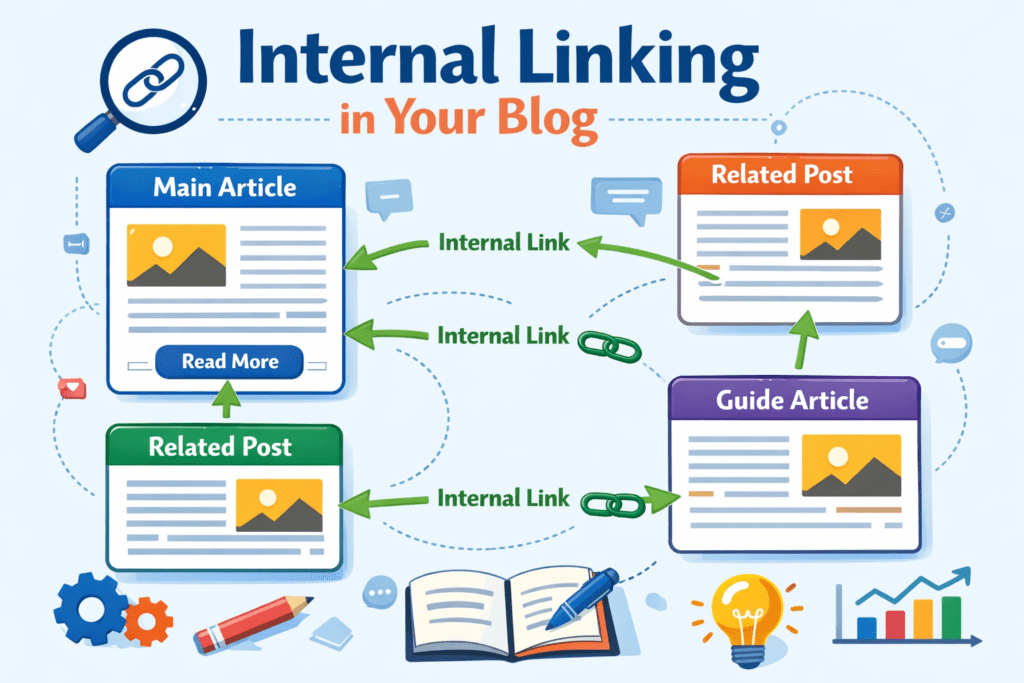
Internal linking is one of the highest‑impact, least glamorous parts of SEO and one that tools can help systematize.
Why internal linking belongs in your toolkit:
- Directs authority and traffic to your most important pages.
- Helps search engines understand relationships between topics and clusters.
- Improves user navigation and increases time on site.
Some platforms now suggest internal links automatically based on content similarity and topic, making it easier to scale this across large sites.
→ Add “internal linking review” as a recurring task when publishing or refreshing content to keep link equity flowing.
10. AI Writing Assistants – From Blank Page to Optimizable Draft
AI writing tools, when used wisely, speed up drafting without sacrificing quality.
Smart ways to use them in SEO workflows:
- Generate outlines based on clusters and SERP insights, then refine manually.
- Produce first drafts you later optimize with Surfer, Clearscope, or your own SEO checklist.
- Create multiple headline and meta description options to test and improve CTR.
- Spin up supporting pages (FAQs, comparison pieces, supporting cluster posts) faster, then add human expertise.
The key is to treat AI as a drafting assistant, not a strategy engine. Your human judgment on intent, examples, and brand voice is still the difference‑maker.
→ Use AI to accelerate creation, then edit like an SEO and subject‑matter expert to protect quality and originality.
How to Assemble Your SEO Masters Toolkit
You don’t need every tool at once. Build your stack around your current stage and bottlenecks.
A simple 2026 toolkit could look like:
- Core platform: Semrush or Ahrefs for research, tracking, and competitive insights.
- Google layer: Search Console as your truth source for queries, clicks, and issues.
- Content optimization: Surfer + a semantic optimizer like Clearscope for on‑page strength.
- Planning: Keyword clustering + question mapping to design topic clusters and FAQs.
- Technical: Screaming Frog or Sitebulb for crawls and technical fixes.
- Execution support: AI writing assistant + internal linking workflows for speed and consistency.
Start by asking: Where am I losing the most opportunity technical, content, or intent? Then plug in tools that directly address that gap.
Become the Strategist Search Engines Reward
The SEO Masters Toolkit 2026 isn’t about chasing hacks.
it’s about equipping yourself with the clarity and data you need to make better decisions, publish better content, and maintain a healthier site than your competitors.
With the right mix of platforms, you can see how people find you, understand why pages rank (or don’t), and systematically improve over time.
Pick one or two tools from this toolkit that match your biggest SEO challenge, integrate them into your workflow, and iterate.
In a world of AI‑driven search and shifting algorithms, the brands that win are the ones that treat SEO as a disciplined system, powered by a modern toolkit not a guessing game.